

How to Perform a Neurological Assessment | Sai Hospital, Haldwani
A neurological assessment is one of the most important clinical tools used to understand how well a patient’s brain, spinal cord, and nerves are functioning. Whether a patient comes in with weakness, headaches, numbness, dizziness, confusion, or after an injury,...

What Causes Fibrosis of the Lungs? | Sai Hospital, Haldwani
Fibrosis of the lungs — also known as pulmonary fibrosis — is a condition where the lung tissue becomes thick, stiff, and scarred over time. This scarring makes it harder for the lungs to expand and for oxygen to move...

Can Depression Cause Neurological Problems? | Sai Hospital, Haldwani
Most people think of depression as an emotional or mental health disorder — something that affects mood, motivation, sleep, and thoughts. But modern neuroscience shows that depression is much more than that. It can influence the brain’s wiring, nerve communication,...

What Is LVH in Cardiology | Sai Hospital, Haldwani
Heart conditions often begin silently, showing no major symptoms in the early stages. One such condition that many patients discover only through routine ECGs or echocardiograms is LVH. When people see this term on their report, the first question is...

What Is IFT in Physiotherapy | Sai Hospital, Haldwani
If you have ever visited a physiotherapy clinic for back pain, muscle stiffness, or joint discomfort, you may have heard the therapist mention IFT therapy. Many patients know it as a machine that “gives a mild tingling current,” but very...

What Is PCN in Urology | Sai Hospital, Haldwani
If you’ve ever seen the term PCN written on a urology prescription, ultrasound report, or doctor’s notes, it can feel confusing or even alarming. Patients often wonder what it means and whether it indicates a serious condition. In reality, PCN...

What Is POD in Gynaecology | Sai Hospital, Haldwani
Medical reports often contain abbreviations that can leave patients confused or worried. One such term commonly seen in ultrasound or pelvic examination notes is POD. Many women search for its meaning, assuming it indicates a problem — but in most...

What Is PS in Gynaecology | Sai Hospital, Haldwani
When you visit a gynaecologist, you might notice abbreviations like “PV” or “PS” written in your medical notes or prescriptions. These are medical shorthand terms doctors use for common gynaecological examinations. One that often confuses patients is PS. Many women...

What Is PV in Gynaecology | Sai Hospital, Haldwani
In gynaecology, doctors often use certain abbreviations that can sound confusing or even intimidating to patients. One such term you might hear during a consultation or on a medical report is “PV”. Many patients quietly wonder what it means, but...
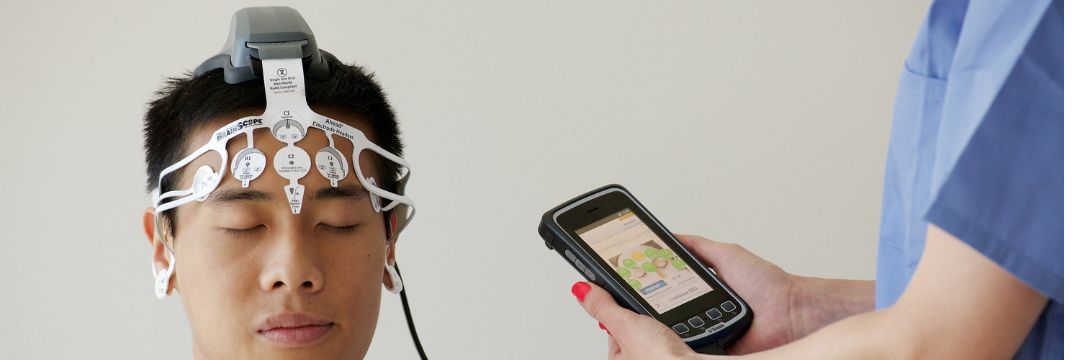
What Is EEG in Neurology | Sai Hospital, Haldwani
When a person experiences symptoms like sudden blackouts, seizures, frequent headaches, or unexplained confusion, neurologists often recommend an EEG test. For many patients, this term sounds unfamiliar, and it’s natural to wonder — what is EEG in neurology, and why...