Is Functional Neurological Disorder Permanent? | Sai Hospital, Haldwani

Uncategorized

- 25 Dec, 2025
- 168 Views
- 0 Comment
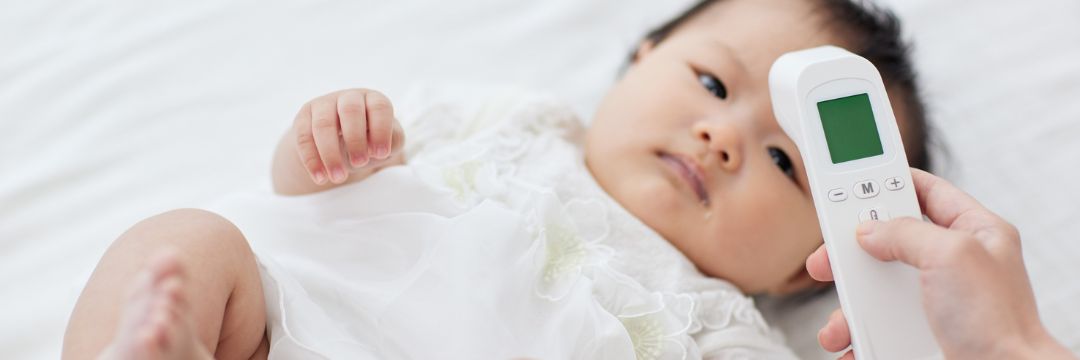
Fever is probably the most common alarm bell in a household with a baby or a young child. The first spike on the thermometer often brings with it a flood of thoughts – Is this serious? Should I rush to the doctor? Can I manage this at home? When is it time to call a pediatrician for fever?
At Sai Hospital, Haldwani, we understand that fever itself isn’t the enemy. It’s a signal, a response from the body that something is going on internally. The challenge for parents isn’t identifying the fever – it’s identifying the tipping point where medical supervision becomes essential. This guide is written to help you make that call with more confidence and less panic.
What Counts as Fever in Babies and Children?
A fever is defined medically as a body temperature higher than the normal range. But the number changes slightly based on how you measure it:
- Rectal or forehead (temporal artery): 100.4°F (38°C) or higher
- Oral temperature: 100°F (37.8°C) or higher
- Armpit (axillary): 99°F (37.2°C) or higher
In babies under 3 months, doctors rely more on rectal or forehead readings, because armpit readings may run slightly lower and less precise.
Important to note:
A higher number doesn’t always mean greater danger – but the baby’s age and accompanying symptoms do.
Why Fever Happens
Fever is the body’s defense mechanism. The immune system increases the temperature to make it harder for viruses and bacteria to multiply. Fever may happen due to –
- Viral infections (most common)
- Bacterial infections
- Post-vaccination response
- Ear or throat infections
- Chest infections
- Urinary infections
- Stomach bugs
- Teething (rarely causes high fever)
- Heat exhaustion or dehydration
- Seasonal infections
- Flu or dengue (during peak months)
Fever is a symptom, not a diagnosis. The real question is – when to call pediatrician for fever, not whether the fever exists?
When Fever Is Manageable at Home
Parents can usually observe and manage fever at home if –
- The child is active enough, alert, and feeding
- Temperature is below 102°F (38.9°C)
- Fever has been present for less than 24 hours
- There is no breathing difficulty
- No unusual drowsiness or confusion
- No stiff neck or severe headache
- No persistent vomiting
- The child urinates normally (not reduced)
- There is no rash or bluish skin
- The child responds to antipyretics (fever-reducing meds)
Home care basics include –
- Keeping the child hydrated
- Light clothing
- Tepid sponging if needed
- Monitoring temperature every few hours
- Giving doctor-recommended fever medicine in the correct dose
But even when manageable, fever should be watched carefully – especially at night when symptoms may escalate unnoticed.
When to Call Pediatrician for Fever (Clear Medical Triggers)
At Sai Hospital, Haldwani, we strongly recommend calling or visiting a pediatrician if –
1. Your Baby Is Under 3 Months Old
- Any fever of 100.4°F (38°C) or higher requires immediate medical evaluation.
Newborn immunity is still developing. Even a mild infection can progress quickly.
2. Fever Is Above 102°F (38.9°C)
- Especially if it doesn’t reduce after fever medicine.
3. Fever Lasts More Than 24 Hours in Babies Under 2 Years
- Young babies cannot localize or express pain, so a prolonged fever needs investigation.
4. Fever Persists Beyond 3 Days in Older Children
- Even if mild, a fever lasting 3+ days should be medically assessed.
5. Your Baby or Child Is Feeding Poorly or Drinking Very Little
Signs include –
- Weak suck or refusal to feed
- Crying while feeding
- Not finishing the usual milk quantity
6. Fewer Wet Diapers or Reduced Urination
This may indicate dehydration or a urinary infection, which is common and often missed in infants.
7. Breathing Difficulty, Fast Breathing, or Chest Retractions
Signs include –
- The baby’s ribs are pulling inward while breathing
- Breathing faster than usual, even when calm
- Grunting sound
- Flaring nostrils
- Wheezing
8. Excessive Sleepiness or Difficulty Waking the Baby
A sleepy baby with a fever is common, but a baby that is hard to wake or unusually limp is not.
9. Irritability That Feels Unusual
Examples –
- Continuous crying for hours
- High-pitched screaming cry
- Cry that sounds “pain-driven” rather than hunger-driven
- Not calming when held
10. Rash Appears Along With Fever
Rashes that need urgent care include –
- Tiny red or purple dots (petechiae)
- Rash that doesn’t fade when pressed
- Spreading rash
- Blister-like rash
11. Seizure or Febrile Convulsions
If the child –
- Stiffens suddenly
- Has jerking movements
- Eyes roll upward
- Becomes unresponsive
Call emergency care immediately.
At Sai Hospital, pediatric emergency care is available 24/7 for seizure and fever-related emergencies.
12. Bluish Lips, Hands, Feet, or Cold, Clammy Skin
This may indicate poor circulation or shock – this is an emergency.
13. The Child Complains of Severe Headache, Neck Stiffness, or Light Sensitivity
These can be signs of meningitis.
Which Infections Are Most Commonly Missed in Babies With Fever?
In infants, the most commonly missed fever causes include –
a. Ear Infection
The baby may not pull the ear, but may cry when lying flat or feeding.
b. Urinary Infection
UTIs in babies may show only fever without burning symptoms.
c. Chest Infection
Fast breathing is a major sign, sometimes more important than the temperature reading.
d. Throat Infection
Crying during feeding or swallowing may indicate throat pain.
e. Post-Vaccination Fever
Common, usually mild, and temporary, but still monitored if high or prolonged.
How Doctors Assess Fever at Sai Hospital, Haldwani
Pediatricians may use –
- Temperature and pulse monitoring
- Oxygen saturation
- Chest examination
- Ear and throat examination
- Urine routine and culture
- CBC (blood test)
- CRP (infection marker)
- Ultrasound if required
- Viral panels if seasonal infection is suspected
We do not rush into antibiotics unless necessary. Treatment is based on symptom patterns and test evidence, not fear-based decisions.
When to Go to the Hospital Instead of Just Calling the Doctor?
Go directly to the hospital if –
- Baby is under 3 months
- The fever is very high and not reducing
- Breathing is difficult
- Rash looks abnormal
- The baby is very sleepy or floppy
- There was a seizure
- Skin or lips look blue
- Urination is significantly reduced
- Baby looks visibly distressed
In these cases, calling the pediatrician is good, but reaching the ER is better.
Fever Myths Parents Still Hear
| Myth | Truth |
|---|---|
| “Teething always causes fever” | Rarely causes high fever |
| “Fever means antibiotics are needed” | Not always. Most are viral |
| “Cold weather causes fever” | Infections do not correlate with temperature |
| “Fever will damage the brain” | Fever itself doesn’t; infections can |
| “Only high fever is serious” | Infections do not temperature |
FAQs: When to Call Pediatrician for Fever
1. My baby is 3 months old and has a 100°F fever – should I call a pediatrician?
Yes. Fever at 3 months should be assessed, especially if symptoms exist.
2. Is fever more dangerous at night?
Not more dangerous, but more likely to be missed. So monitor closely.
3. Can I wait 3 days before calling the pediatrician?
No. For infants, it’s better to call within 24 hours if the fever persists.
4. Does fever medicine cure the infection?
No. It only reduces temperature and discomfort temporarily.
5. Which doctor should treat a fever in babies?
A pediatrician or neonatologist (if high-risk birth history) is ideal.
6. When is fever an emergency in babies?
If it’s accompanied by breathing issues, rash, seizures, or poor responsiveness.
7. Can dehydration cause fever?
Yes, dehydration may raise body temperature and worsen symptoms.
8. Is it okay to call the pediatrician for every fever?
Yes. You’re not wrong for asking early. You’re wrong for ignoring it.
Final Words
So, when to call pediatrician for fever?
When the baby is very young, the fever is high, prolonged, or accompanied by any warning signs involving breathing, movement, feeding, or responsiveness.
At Sai Hospital, Haldwani, we believe in early evaluation, medically correct diagnosis, and a calm, evidence-based treatment approach that supports both recovery and long-term development. If you’re a parent reading this with worry, remember – timely care always beats late regret.