How Physiotherapy Helps in Recovery, Pain Relief, and Long-Term Mobility | Sai Hospital, Haldwani
Uncategorized

- 4 Feb, 2026
- 392 Views
- 0 Comment
A stroke is one of those medical emergencies that people recognize by name but often misunderstand in nature. When someone suddenly cannot speak properly, loses movement on one side of the body, or develops facial drooping, the first reaction is panic – followed by confusion about which system of the body is affected. This leads to a very common question – is a stroke neurological?
The short and clear answer is yes, a stroke is a neurological condition. But the reason why it is neurological – and how it connects the brain, blood vessels, and nervous system – is important to understand.
At Sai Hospital, Haldwani, stroke care is managed by neurologists because stroke directly damages brain tissue and disrupts nerve function. Early recognition and neurological treatment can save life, speech, movement, and independence.
Let’s understand this step by step.
What Exactly Is a Stroke?
A stroke occurs when the blood supply to a part of the brain is interrupted or reduced, depriving brain cells of oxygen and nutrients. Brain cells begin to die within minutes if blood flow is not restored.
Because the brain is the control center of the nervous system, any injury to it immediately affects neurological functions such as –
- Movement
- Speech
- Vision
- Balance
- Sensation
- Memory
- Consciousness
This is why stroke is classified as a neurological emergency.
Is a Stroke Neurological? (Clear Medical Answer)
Yes.
A stroke is fundamentally a neurological condition because –
- It directly damages brain tissue
- It disrupts nerve signaling
- It causes neurological deficits like paralysis, speech loss, or vision problems
- It is diagnosed and treated primarily by neurologists
Although stroke involves blood vessels, its effects and consequences are neurological, not cardiac or muscular.
Why Stroke Is Considered a Neurological Disorder
1. The Brain Is a Neurological Organ
The brain is part of the central nervous system. Any injury to it automatically falls under neurology.
Stroke damages –
- Motor control centers
- Speech and language areas
- Sensory pathways
- Cognitive and emotional regulation areas
The symptoms depend on which part of the brain is affected, a hallmark of neurological disease.
2. Stroke Causes Focal Neurological Deficits
Most strokes cause focal neurological deficits, meaning damage to a specific brain area leads to specific symptoms, such as –
- Weakness on one side of the body
- Loss of speech
- Visual field loss
- Facial drooping
- Loss of coordination
These are classic neurological signs evaluated by neurologists.
3. Diagnosis Is Neurological
Stroke diagnosis relies on –
- Neurological examination
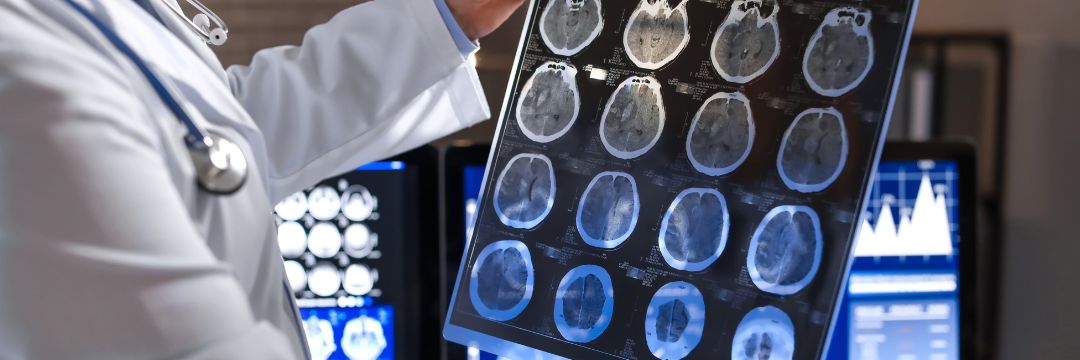
- Brain imaging (CT scan, MRI)
- Assessment of reflexes, speech, movement, and sensation
At Sai Hospital, Haldwani, neurologists lead stroke diagnosis and coordinate emergency care.
Types of Stroke and Their Neurological Impact
1. Ischemic Stroke (Most Common)
Occurs when a blood clot blocks an artery supplying the brain. Neurological effects depend on clot location and size –
- Sudden paralysis
- Speech loss
- Vision problems
- Loss of balance
2. Hemorrhagic Stroke
Occurs when a blood vessel ruptures and bleeds into the brain. This causes –
- Rapid increase in brain pressure
- Severe headache
- Vomiting
- Altered consciousness
- High risk of permanent neurological damage
3. Transient Ischemic Attack (TIA)
Often called a “mini-stroke.” Symptoms are temporary but neurological in nature –
- Brief weakness
- Slurred speech
- Temporary vision loss
TIA is a warning sign of a future major stroke.
Stroke vs Heart Attack – Clearing the Confusion
Many people confuse a stroke with a heart attack because both involve blood blockage.
| Aspect | Stroke | Heart Attack |
|---|---|---|
| Affected organ | Brain | Heart |
| System involved | Nervous system | Cardiovascular system |
| Specialist | Neurologist | Cardiologist |
| Main symptoms | Paralysis, speech loss | Chest pain, breathlessness |
Even though both involve blood vessels, a stroke is neurological, while a heart attack is cardiac.
Why Neurologists Treat Stroke Patients
Neurologists are trained to –
- Identify early neurological signs
- Determine which brain region is affected
- Decide eligibility for clot-dissolving therapy
- Manage complications like brain swelling
- Guide long-term neurological rehabilitation
At Sai Hospital, Haldwani, neurologists work closely with emergency medicine, radiology, and rehabilitation teams to provide complete stroke care.
Common Neurological Symptoms of Stroke
Recognizing neurological signs early saves lives. Watch for –
- Sudden weakness or numbness of the face, arm, or leg (especially one side)
- Sudden confusion or trouble speaking
- Sudden difficulty seeing in one or both eyes
- Sudden loss of balance or coordination
- Sudden severe headache with no known cause
These symptoms indicate acute neurological injury.
Why Time Matters in Stroke (Neurological Emergency)
Stroke is often called a “brain attack” because –
- Brain cells die rapidly without oxygen
- Delayed treatment increases permanent neurological damage
- Early treatment can reverse or reduce deficits
The concept of “time is brain” is central in neurology. Every minute of delay means more neurons lost.
Neurological Recovery After Stroke
Stroke recovery focuses on restoring neurological function through –
- Physiotherapy (movement and strength)
- Speech therapy (language and swallowing)
- Occupational therapy (daily activities)
- Cognitive rehabilitation
The brain has a property called neuroplasticity, meaning it can rewire and relearn – especially when rehabilitation starts early.
Can Stroke Cause Permanent Neurological Disability?
It depends on –
- Type of stroke
- Area of brain affected
- Speed of treatment
- Overall health of the patient
Some people recover fully, while others may have long-term neurological effects, such as –
- Paralysis
- Speech difficulty
- Memory problems
- Emotional changes
Early neurological care significantly improves outcomes.
Who Is at Risk of Stroke?
Stroke risk increases with –
- High blood pressure
- Diabetes
- Smoking
- High cholesterol
- Obesity
- Irregular heartbeat
- Sedentary lifestyle
- Family history
Managing these risk factors is a key part of neurological prevention.
Stroke Care at Sai Hospital, Haldwani
Sai Hospital offers –
- Rapid neurological assessment
- Advanced brain imaging
- Emergency stroke protocols
- Multidisciplinary rehabilitation
- Long-term neurological follow-up
The focus is not only survival but quality of neurological recovery.
FAQs: Is a Stroke Neurological?
1. Is a stroke considered a neurological disease?
Yes. Stroke is a neurological condition because it damages the brain and affects nerve function.
2. Why does a neurologist treat stroke instead of a cardiologist?
Because stroke affects the brain and nervous system, which fall under neurology.
3. Can stroke symptoms be reversed?
Yes, especially if treated early. Some neurological deficits are reversible.
4. Is paralysis after a stroke neurological?
Yes. Paralysis occurs due to damage in brain areas controlling movement.
5. Is a stroke always permanent?
No. Many patients recover partially or fully with early treatment and rehabilitation.
Conclusion
So, is a stroke neurological? Absolutely.
A stroke is a neurological emergency caused by the sudden disruption of blood flow to the brain, leading to nerve damage and loss of brain function. While blood vessels play a role, the brain is the primary organ affected, making stroke a neurological condition by definition.
At Sai Hospital, Haldwani, stroke care is guided by neurologists who focus on rapid diagnosis, timely treatment, and long-term neurological recovery. If you notice sudden weakness, speech difficulty, or facial drooping – act immediately. Early neurological care can mean the difference between recovery and lifelong disability.
When it comes to stroke, every minute matters – and the brain remembers the delay.