How Do You Know That You Have Heart Problems? | Sai Hospital, Haldwani

Uncategorized

- 3 Feb, 2026
- 328 Views
- 0 Comment
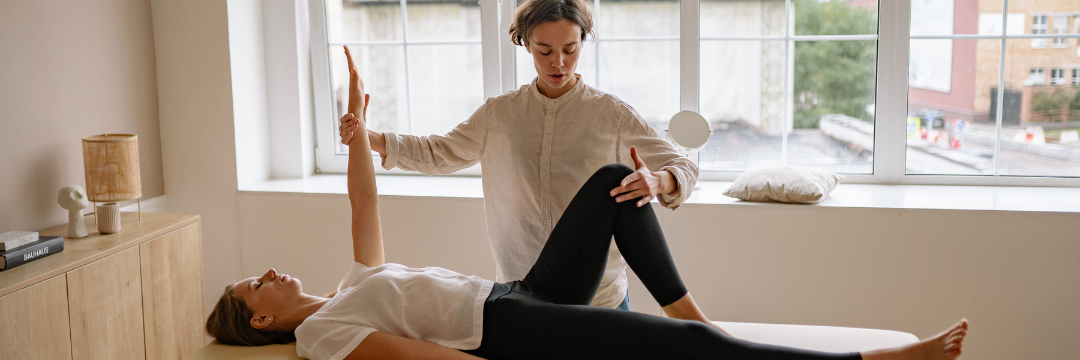
Physiotherapy is often misunderstood as something meant only for people who have had surgery or major injuries. In reality, physiotherapy plays a much broader role in healthcare. It helps people move better, live with less pain, recover faster, and prevent future problems – often without medication or invasive procedures.
Patients visiting Sai Hospital, Haldwani frequently ask one simple question: how physiotherapy helps, and whether it can actually make a meaningful difference in daily life. The answer is yes – and in more ways than most people expect.
This article explains how physiotherapy works, who benefits from it, and why it is an essential part of modern medical care.
What Is Physiotherapy?
Physiotherapy is a medical treatment focused on restoring movement, function, and strength using physical methods rather than drugs or surgery.
It involves –
- Therapeutic exercises
- Manual therapy
- Electrotherapy
- Movement correction
- Posture training
- Pain management techniques
Physiotherapy doesn’t just treat symptoms. It addresses the root cause of pain or movement limitation and helps the body heal naturally.
How Physiotherapy Helps in Pain Relief
One of the most common reasons people seek physiotherapy is pain – whether sudden or long-standing.
Reduces Muscle and Joint Pain
Physiotherapy helps relieve pain caused by –
- Muscle strain
- Joint stiffness
- Arthritis
- Back and neck problems
- Sports injuries
Through guided exercises, soft tissue techniques, and modalities like IFT or ultrasound, pain signals are reduced and muscle tension is released.
Decreases Dependence on Painkillers
Long-term painkiller use can cause stomach, kidney, or heart problems. Physiotherapy offers a drug-free approach to pain control, helping patients rely less on medications.
Improves Blood Circulation
Better circulation brings oxygen and nutrients to injured tissues, speeding up healing and reducing inflammation.
How Physiotherapy Helps After Injury or Surgery
Recovery doesn’t end once surgery is done or an injury heals on the surface. Without proper rehabilitation, stiffness, weakness, and re-injury risk remain high.
Speeds Up Recovery
Physiotherapy helps patients regain strength and movement faster after –
- Fractures
- Ligament injuries
- Joint replacements
- Spine surgeries
- Sports injuries
Early and guided rehabilitation prevents complications and shortens recovery time.
Prevents Post-Surgical Stiffness
After surgery, joints and muscles can become stiff due to immobility. Physiotherapy keeps joints mobile and prevents long-term movement restriction.
How Physiotherapy Helps Improve Mobility and Flexibility
Movement is essential for independence. Physiotherapy focuses on restoring and improving mobility at every age.
Improves Joint Range of Motion
Conditions like frozen shoulder, knee arthritis, or post-injury stiffness respond well to physiotherapy-guided stretching and mobilization.
Enhances Balance and Coordination
Physiotherapy helps patients with balance issues due to –
- Aging
- Neurological conditions
- Inner ear problems
- Post-stroke weakness
Improved balance reduces fall risk and boosts confidence.
How Physiotherapy Helps in Chronic Conditions
Physiotherapy isn’t just for short-term problems. It plays a major role in managing chronic health conditions.
Manages Arthritis and Degenerative Disorders
While arthritis cannot be cured, physiotherapy helps –
- Reduce pain
- Improve joint function
- Slow progression
- Maintain independence
Regular exercise under professional guidance keeps joints functional and muscles strong.
Helps in Neurological Conditions
Physiotherapy is crucial in conditions such as –
- Stroke
- Parkinson’s disease
- Nerve injuries
- Spinal cord disorders
It helps retrain muscles, improve coordination, and restore lost function as much as possible.
How Physiotherapy Helps Correct Posture and Daily Movement
Many modern health problems stem from poor posture and repetitive strain.
Corrects Postural Imbalances
Long hours of sitting, mobile use, and improper work ergonomics lead to neck pain, back pain, and shoulder stiffness.
Physiotherapy identifies faulty movement patterns and teaches correct posture and body mechanics.
Improves Workplace and Daily Function
By improving movement efficiency, physiotherapy helps people perform daily tasks – walking, sitting, lifting, working – with less strain and fatigue.
How Physiotherapy Helps Prevent Future Injuries
Prevention is as important as treatment.
Strengthens Weak Muscles
Muscle imbalance is a major cause of repeated injuries. Physiotherapy strengthens supporting muscles to protect joints.
Reduces Risk of Re-Injury
Athletes and physically active individuals benefit greatly from physiotherapy programs designed to improve stability, flexibility, and control.
How Physiotherapy Helps Mental Well-Being
Physical health and mental health are closely connected.
Reduces Stress and Improves Mood
Movement and physical activity release endorphins – natural mood enhancers. Physiotherapy sessions often reduce stress, anxiety, and frustration associated with pain or immobility.
Builds Confidence and Independence
Regaining the ability to move without pain restores confidence and improves overall quality of life.
Who Can Benefit from Physiotherapy?
Physiotherapy helps people of all ages, including –
- Office workers with back or neck pain
- Elderly individuals with joint stiffness or balance issues
- Athletes with sports injuries
- Post-surgical patients
- Neurological patients
- Children with movement or posture issues
At Sai Hospital, Haldwani, physiotherapy plans are tailored to each individual’s condition, age, and lifestyle.
Common Physiotherapy Treatments Used
Depending on the condition, treatment may include –
- Exercise therapy
- Manual therapy
- IFT and ultrasound
- Heat or cold therapy
- Stretching and strengthening programs
- Balance and gait training
Treatment focuses on long-term improvement, not just short-term relief.
When Should You Consider Physiotherapy?
You should consider physiotherapy if you experience –
- Persistent pain
- Stiffness or reduced movement
- Difficulty performing daily activities
- Recovery after surgery or injury
- Poor posture or frequent muscle strain
- Balance problems or weakness
Early intervention leads to better outcomes and faster recovery.
Physiotherapy Care at Sai Hospital, Haldwani
Sai Hospital offers –
- Experienced physiotherapists
- Modern rehabilitation equipment
- Personalized treatment plans
- Safe, supervised therapy sessions
- Integrated care with orthopedic and neurological specialists
The goal is not just recovery – but restoring comfort, confidence, and function.
FAQs: How Physiotherapy Helps
1. How physiotherapy helps reduce pain?
It improves circulation, relaxes muscles, and reduces inflammation through guided physical techniques.
2. Is physiotherapy only for injuries?
No. It also helps chronic pain, posture problems, neurological conditions, and preventive care.
3. How long does physiotherapy take to show results?
Some patients feel relief within a few sessions, while chronic conditions may need longer treatment.
4. Can physiotherapy replace surgery?
In many cases, yes – especially when started early. However, some conditions still require surgery.
5. Is physiotherapy safe for elderly patients?
Yes. Exercises are customized based on age, strength, and medical condition.
Conclusion
So, how physiotherapy helps goes far beyond pain relief. It restores movement, strengthens the body, prevents future injuries, supports mental well-being, and improves overall quality of life.
At Sai Hospital, Haldwani, physiotherapy is not an afterthought – it is a core part of comprehensive patient care. Whether you are recovering from injury, managing chronic pain, or simply want to move better and live healthier, physiotherapy offers a safe, effective, and lasting solution.
Movement is medicine – and physiotherapy helps you reclaim it.