Do Pulmonary Veins Have Valves? – Explained Clearly | Sai Hospital, Haldwani

Uncategorized


- 30 Jan, 2026
- 368 Views
- 0 Comment
Heart diseases often develop silently. Many people feel completely normal until they experience a sudden symptom — chest discomfort, breathlessness, dizziness, or unusual fatigue. But the heart usually gives warning signs long before a major event occurs.
At Sai Hospital, Haldwani, our cardiologists see many patients who delay seeking help because they don’t recognize these early signs. Understanding how to know whether you have heart problems can help prevent serious complications like heart attacks, arrhythmias, and heart failure.
Here is a clear, patient-friendly guide on the common symptoms, risk factors, tests, and red flags that indicate possible heart trouble.
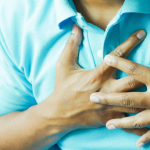
1. Chest Pain or Discomfort
This is the most well-known sign of heart problems — but it doesn’t always feel like dramatic pain.
You may experience:
- Tightness
- Pressure
- Heaviness
- Burning
- Squeezing sensation
The discomfort may appear:
- In the center or left side of the chest
- After exercise or emotional stress
- While climbing stairs
- Even at rest (in severe cases)
If chest pain lasts more than 5 minutes, especially with sweating or breathlessness, it may signal angina or a heart attack. Seek emergency care immediately.
2. Shortness of Breath
If simple activities like walking, climbing stairs, or even lying down make you feel breathless, your heart may not be pumping efficiently.
Shortness of breath can indicate:
- Heart failure
- Valve disease
- Weak heart muscle (cardiomyopathy)
- Fluid buildup in the lungs
This symptom should never be ignored.
3. Irregular Heartbeat (Palpitations)
Your heart may feel like:
- It is beating too fast
- Skipping beats
- Fluttering
- Thumping in the chest
Occasional palpitations can be normal, but persistent or very fast/slow heartbeats may indicate:
- Arrhythmias
- Atrial fibrillation
- Thyroid imbalance
- Electrolyte issues
Cardiology evaluation is essential in such cases.
4. Dizziness or Fainting (Syncope)
Frequent dizziness, lightheadedness, or fainting episodes may point to:
- Irregular heart rhythms
- Valve problems
- Low blood flow to the brain
- Blocked arteries
This symptom is especially serious if accompanied by palpitations or chest discomfort.
5. Swelling in Legs, Ankles, or Feet
When the heart does not pump blood effectively, fluid builds up in the body — usually in the lower limbs.
Swelling may be more noticeable:
- At the end of the day
- After long sitting or standing
- Along with weight gain
This is a common sign of heart failure, kidney issues, or venous problems.
6. Extreme Fatigue and Weakness
If you feel tired even after adequate rest, or struggle with routine activities that were previously easy, it may indicate:
- Reduced cardiac output
- Blocked coronary arteries
- Narrowed valves
- Low oxygen circulation
Chronic fatigue should always be evaluated.
7. Pain Radiating to Arm, Jaw, Back, or Neck
Heart pain does not always remain in the chest.
You may feel:
- Pain in the left arm
- Discomfort in the jaw
- Upper back pain
- Pain between shoulder blades
Radiating pain is a classic warning sign of a heart attack, especially when combined with sweating or nausea.
8. Persistent Cough or Wheezing
Heart failure can cause fluid buildup in the lungs, leading to:
- Chronic dry cough
- Wheezing
- Difficulty breathing when lying down
If these symptoms occur without a clear lung infection, a cardiac exam is important.
9. Excessive Sweating Without Reason
Cold sweats or sudden sweating can signal:
- Heart attack
- Angina
- Arrhythmias
If sweating occurs with chest pressure or breathlessness, seek emergency help.
10. High or Uncontrolled Blood Pressure
Hypertension usually causes no symptoms but silently damages the heart.
If you have:
- Persistent BP above 140/90
- High BP despite medication
- Strong family history of hypertension
… you are at high risk for heart disease.
11. Family History of Heart Disease
If your parents or siblings had early heart disease (before age 55 in men, 65 in women), your risk is higher.
Even without symptoms, you should undergo preventive cardiology screening.
12. Lifestyle Factors That Increase Risk
You are more likely to develop heart problems if you have:
- Smoking habits
- Sedentary lifestyle
- Obesity
- Diabetes
- High cholesterol
- Stress
- Unhealthy diet
These factors gradually weaken heart function.
How Do You Know If It’s Really Heart Disease?
Symptoms alone are not enough — tests give a clear picture.
At Sai Hospital, Haldwani, cardiologists recommend the following:
1. ECG (Electrocardiogram)
Shows heart rhythm, electrical activity, and signs of previous heart attacks.
2. Echocardiogram
Ultrasound image of the heart. It evaluates valves, pumping strength, and structural issues.
3. TMT (Stress Test)
Checks how the heart performs during exercise.
4. Blood Tests
Cholesterol, sugar, thyroid levels, and cardiac markers (like troponin).
5. CT Coronary Angiography
Detailed imaging to detect blockages in arteries.
6. Holter Monitoring
24–48-hour ECG recording for arrhythmias.
7. Chest X-ray
Detects lung congestion or enlarged heart.
Early testing can prevent heart attacks and long-term complications.
When Should You See a Cardiologist?
You should visit a cardiologist if you experience:
- Chest discomfort of any type
- Breathlessness on minimal activity
- Irregular heartbeat
- Repeated dizziness or fainting
- Swelling in legs
- Strong family history
- High BP or diabetes
Immediate attention is required for:
- Severe chest pain
- Sudden breathlessness
- Cold sweats
- Fainting
- Jaw or arm pain with chest pressure
These may indicate a heart attack.
FAQs: How Do You Know That You Have Heart Problems?
1. Can heart problems exist without symptoms?
Yes. Many people with early heart disease feel no symptoms until the condition becomes severe.
2. Does chest pain always mean heart trouble?
No, but any chest pain must be evaluated to rule out serious causes.
3. Can young people have heart problems?
Absolutely. Genetics, lifestyle, and congenital defects can cause heart issues even in young adults.
4. What is the first test for suspected heart disease?
An ECG and basic blood tests are usually the first steps.
5. Can lifestyle changes improve heart health?
Yes. Diet, exercise, quitting smoking, and controlling BP/diabetes significantly reduce risk.
Conclusion
So, how do you know that you have heart problems?
You may notice symptoms like chest pain, breathlessness, palpitations, swelling, dizziness, or unusual fatigue. But even without symptoms, risk factors like high BP, diabetes, smoking, and family history can silently damage the heart.
At Sai Hospital, Haldwani, our cardiology team provides comprehensive evaluation, early diagnosis, and advanced treatment to protect your heart health. If you’ve experienced any of the warning signs above — don’t wait. Early intervention can save your heart, and your life.